Neighborhood · São Paulo/SP
Vila Madalena
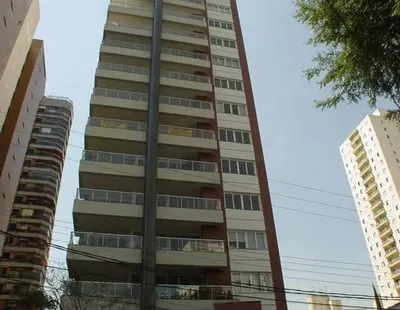
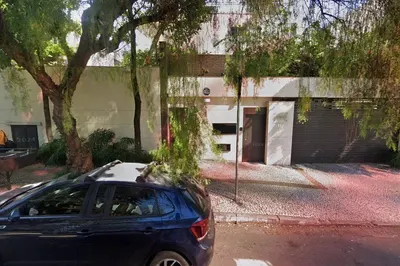
The most visited neighbourhood in the western zone has two halves: the lower one, of bars, graffiti and the metro; the upper one, of tree-lined streets and low-rise buildings, climbing towards Alto de Pinheiros.
The neighbourhood’s story
Vila Madalena grew out of the subdivision of the former Sítio do Rio Verde, in the early decades of the 20th century, and was settled by Portuguese immigrants — among them the workers who built Cemitério São Paulo, opened next door in 1926. The legend that an owner divided the land among his daughters Madalena, Beatriz and Ida has never been proven: research by the Arquivo Histórico Municipal found neither the owner nor the division, and concludes that “Vila Madalena” was the name of one of many clusters named by the residents themselves, which spread as the subdivision grew. The neighbourhood the market knows today is much later — it came from the students and artists of the 1980s and, above all, from Estação Vila Madalena, the terminus of Line 2-Green opened in 1998, which brought with it the wave of buildings still under way today.
There is a quirk of address worth knowing. The Post Office classifies Rua Harmonia and Rua Senador César Lacerda Vergueiro as Sumarezinho, the narrow strip between Sumaré and Vila Madalena that includes the metro station. “Vila Madalena” is the name in common use — by residents, by the market and by the very developers who launch there. The house rule is simple: the postcode governs the address, market usage governs the neighbourhood.
The neighbourhood has almost no large plots. The typical lot ranges from 60 to 120 m², and addresses of 200, 300 or 400 m² are few and far between; the blocks next to the metro are in a ZEU, the transit-axis zone that the 2016 law opened up for densification, and the upper, low-rise streets have no land left to repeat the move.
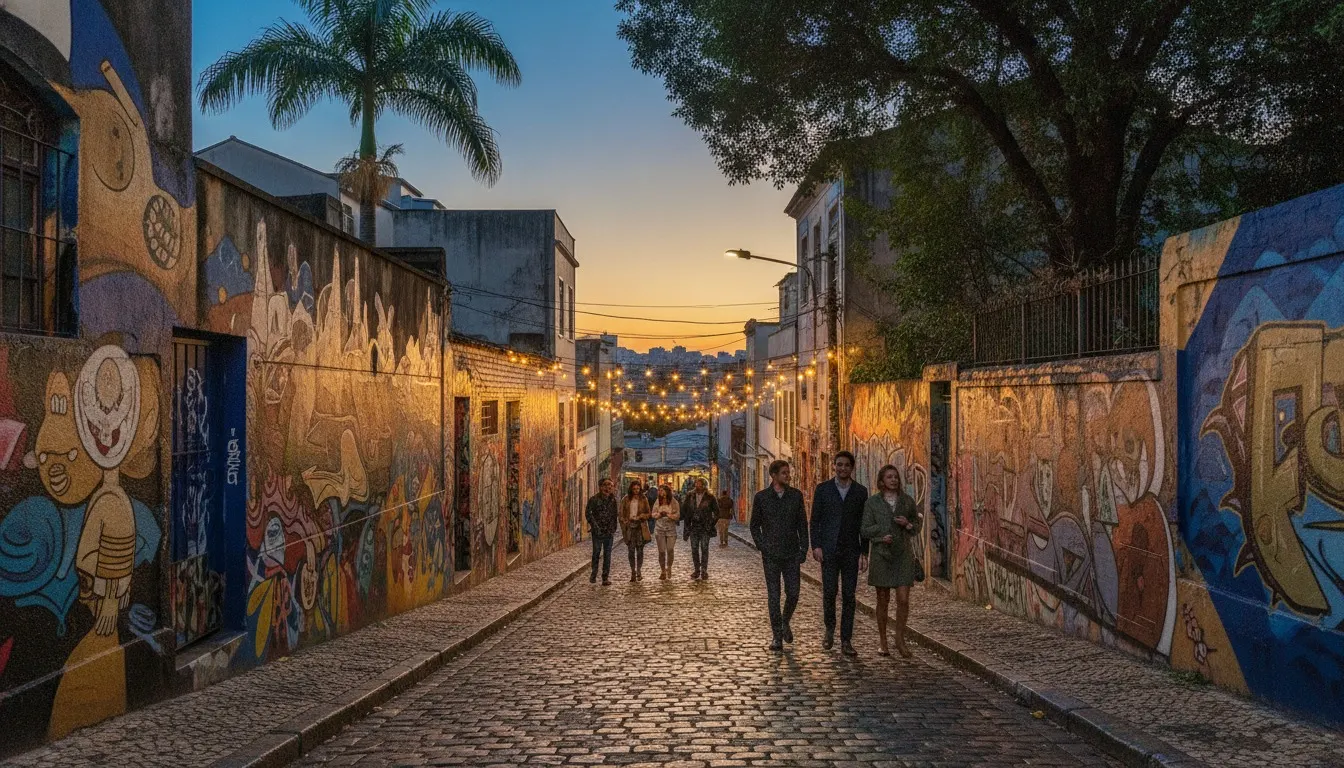
Vila Madalena: graffiti below, quiet above. The neighbourhood where São Paulo walks for pleasure — and where the metro is a terminus, not a passage.
The surrounding area
- Clubs: the neighbourhood has no club within it — associative life is found up Rua Cerro Corá, at Clube Alto de Pinheiros, and, a few minutes away, at Esporte Clube Pinheiros.
- Schools: Colégio Oswald de Andrade and the traditional and international schools of Pinheiros and Alto de Pinheiros, all within the same radius.
- Dining and lifestyle: the streets Aspicuelta, Fidalga, Girassol and Mourato Coelho concentrate bars, restaurants and galleries; Beco do Batman, between Gonçalo Afonso and Medeiros de Albuquerque, is an open-air graffiti gallery dating back to the drawing of the character that appeared on a neighbourhood wall in 1980.
- Parks: Parque Córrego das Corujas, a linear neighbourhood park in Sumarezinho; Praça Pôr do Sol, atop Alto de Pinheiros; and Parque Villa-Lobos, the region’s great green lung.
In the Fragata archive
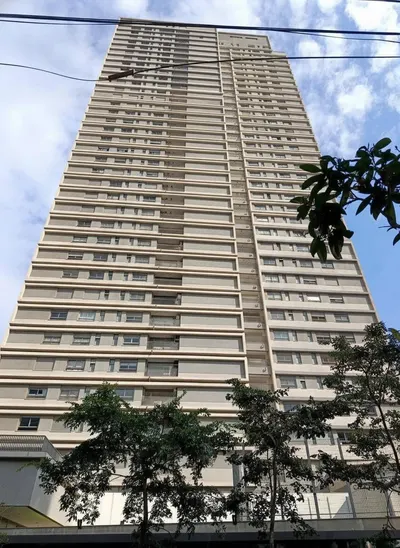
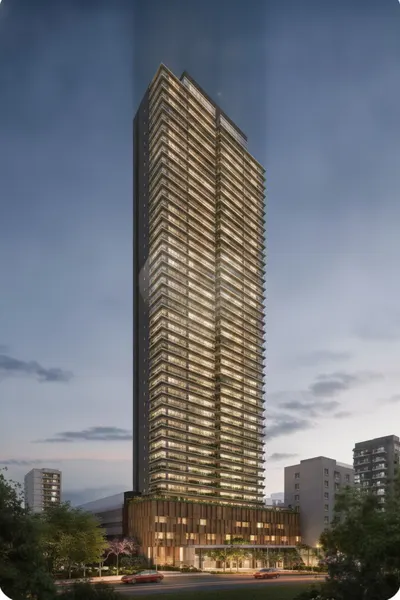
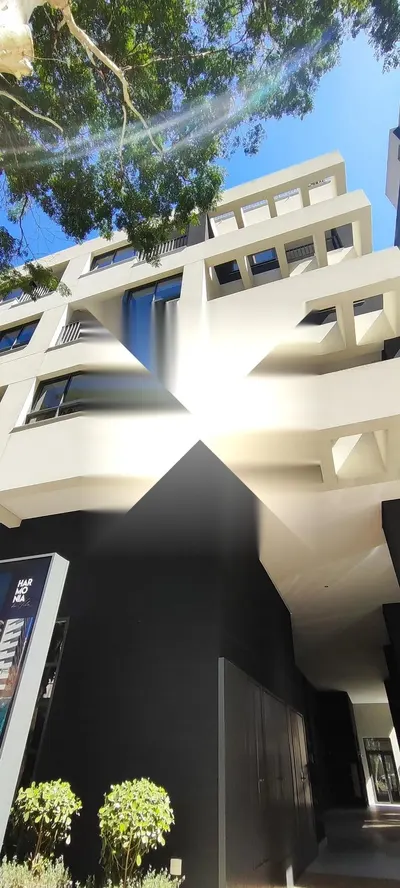
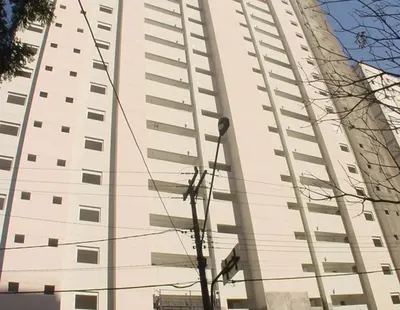
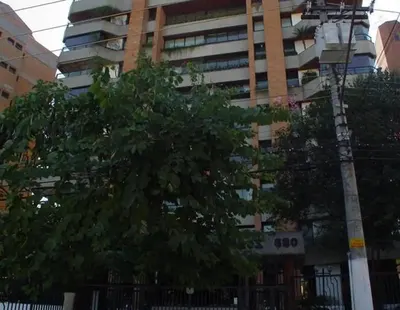
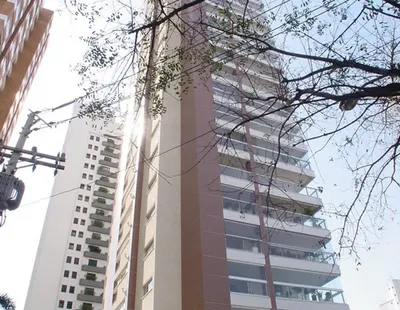
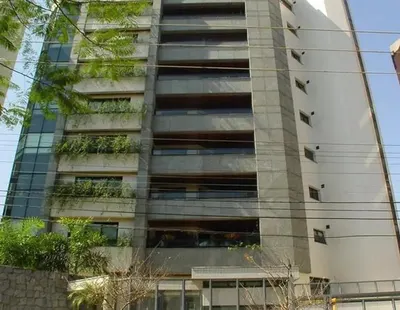
There are 10 developments from the portfolio in the neighbourhood (the backlinks panel lists them all): Altto Vila Madalena, Camboriú, Casa Madalena, Harmonia da Vila, Latitude, Morada dos Pinheiros, Portofino Vila Madalena, Rio Jeribatuba, Sunset Place and Vila Miranhas.
In the Fragata collection