
Neighborhood · São Paulo/SP
Consolação
A central São Paulo neighbourhood and a postcode name: what the city calls Consolação is Roosevelt, Augusta and the cemetery — but what the Post Office calls Consolação includes the whole of Rua Bela Cintra, in the heart of the Jardins.
The neighbourhood’s story
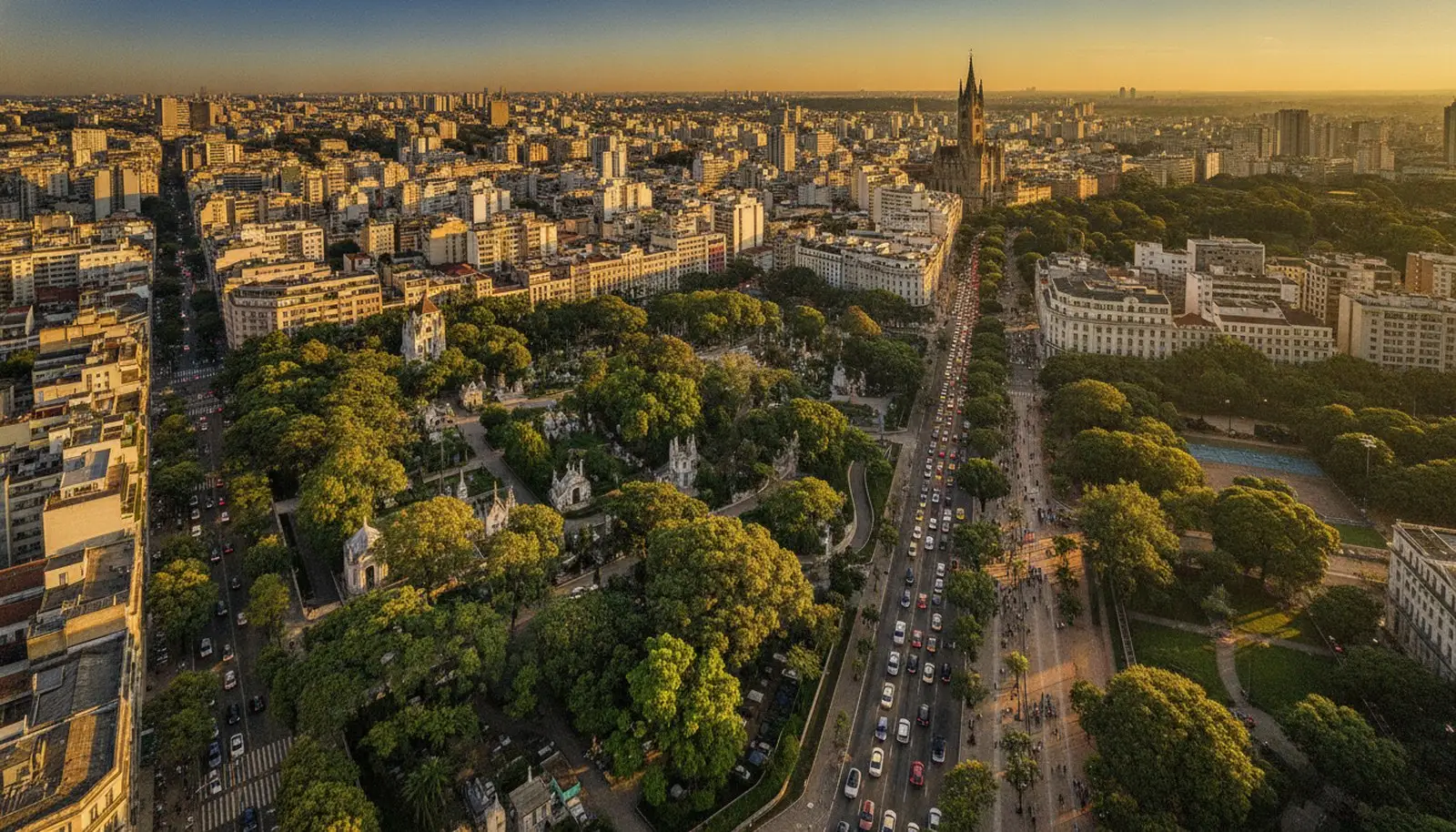
Consolação began as a path. Rua da Consolação is the old Caminho de Pinheiros, also called Caminho de Sorocaba: the route taken by the tropeiros, cattle and mule drovers, heading out from Largo da Memória towards Itu and Sorocaba. Around 1779 a settlement formed along it, around a rammed-earth chapel built by devotees of Nossa Senhora da Consolação, which became a parish in 1798. In 1855 the Irmandade de Nossa Senhora da Consolação e São João Batista was founded, in the year a cholera epidemic hit the region — and it was that outbreak that led, in 1858, to the Cemitério da Consolação, sited there precisely because it was far from the population. Today it is where Ramos de Azevedo, Oswald de Andrade and Monteiro Lobato lie. In 1870, with around 3,500 inhabitants, the neighbourhood was raised to a district; the arrival of Avenida Paulista in 1891 did the rest. The administrative district that carries the name is large and brings together four neighbourhoods — Consolação proper, Higienópolis, Vila Buarque and Pacaembu — plus part of Cerqueira César.
There is a second Consolação, and it is this one the house needs to talk about. The postal neighbourhood is not the district, and it is not the neighbourhood of everyday use. The Post Office registers the whole of Rua Bela Cintra as Consolação — from number 299 to the end, including the stretch that crosses the Jardins, between Rua Oscar Freire and Alameda Lorena. The parallel street, Rua Haddock Lobo, is Cerqueira César; Oscar Freire is Cerqueira César; Alameda Lorena is Jardim Paulista. Rua Augusta splits at number 1680: up to there, Consolação; from 1682 onwards, Cerqueira César. On the other side of the district, the streets named after states are split within the same block — Ceará, Sergipe and Pará are Consolação; Bahia, Piauí, Maranhão, Goiás, Minas Gerais and Pernambuco are Higienópolis. The house’s rule is the same as always: the postcode governs the address, market usage governs the neighbourhood.
What the market calls Consolação and what the postcode calls Consolação barely overlap, and it is the second one that appears on the title deed. Under that postal name is a stock from an older generation — wide floor plans, few units per floor, tree-lined streets — in blocks where there is no longer any land to repeat the operation.
Consolação: the name the city uses for Roosevelt and Augusta — and that the postman uses for half a dozen blocks of the Jardins.
The surrounding area
- Clubs: there is no club headquarters within the perimeter. Club Athletico Paulistano, in Jardim América, is the closest for anyone living at the southern tip of the neighbourhood; on the Higienópolis side, associative life is a matter of cultural institutions, not clubs.
- Schools: Mackenzie and the Fundação Armando Álvares Penteado, both within the district, and Colégio São Luís, in Cerqueira César; in Vila Buarque, the Centro Universitário Maria Antônia and the USP theatre.
- Dining and lifestyle: Rua Augusta in two halves — the bohemian one, below Paulista, and the shop-window one, above it; Conjunto Nacional and Shopping Center 3 on Avenida Paulista; Shopping Pátio Higienópolis and Praça Vilaboim on the north side; and, in the postal stretch of the neighbourhood that the market calls Jardins, the luxury retail of Rua Oscar Freire and Rua Bela Cintra.
- Parks: Parque Augusta, opened on land the city fought over for decades, and Parque Buenos Aires, on the Higienópolis side; Praça Roosevelt, which resolved its own calling by becoming a theatre square.
In the Fragata archive
There are 6 developments from the portfolio with a Consolação postcode: Adolpho Lutz, Castello del Sole, Conde do Pinhal, Maison Lorraine, Príncipe do Grão-Pará and The Class Higienópolis. Four of them are on Rua Bela Cintra, above 1600 — the stretch the market sells as Jardins and that Conde do Pinhal advertises as Jardim América. The other two are on Rua Ceará, and one is literally called The Class Higienópolis. None of the six is wrong: it is the same block with three names, and it falls to the house to know which one holds in each document.